Adam Kelly’s Key Summit Takeaways
perspectives
02.10.2025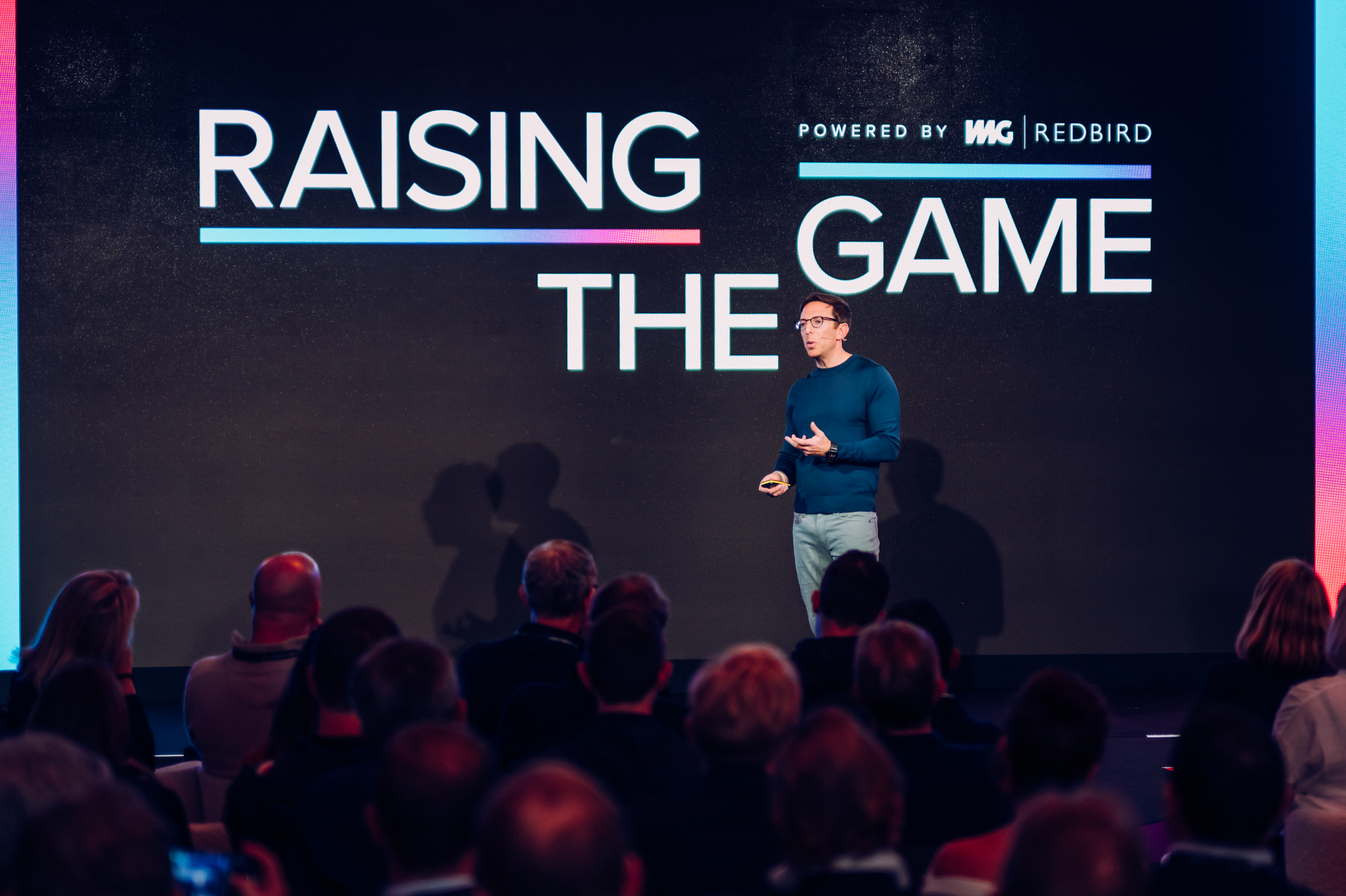
By Adam Kelly, President, IMG
In September, we hosted our third annual Summit, reaffirming its place as the forum for open, forward-looking debate on the future of sport.
This year’s theme, Raising the Game, brought together many of the most influential leaders in sport, media and entertainment: Amazon, YouTube, Nvidia, PGA Tour, F1, TikTok, ATP, WTA, IOC, World Rugby, Liverpool FC, adidas and more. Over three packed days we explored how to grow sports IP into global brands, build for tomorrow’s fans, turn disruption into opportunity and unlock the biggest commercial possibilities in front of us today.
Here are four takeaways that stood out: lessons our industry should keep front of mind in the year ahead.
1. Live sport remains a unifying force
Despite endless competition for attention, live sport still stands alone. It is one of the last things people organise their lives around.
As I maintain, sport remains one of the few truly super-premium content experiences: fans rarely stumble across it to fill time, they schedule time to be part of it. That deliberate choice to tune in, gather with friends or plan a weekend around a fixture is a privilege few other forms of content can command. It represents a conscious investment of attention and intent rarely seen elsewhere.
As Mark Shapiro put it on stage: “Sport is the last bastion of unifying content… people want to live these events in real time.”
That matters. In a fractured media landscape, the pull of the unscripted live moment is unmatched; the Olympic 100m final, the Champions League, the World Cup final, Wimbledon, the comeback fight, the last-minute winner, that final putt. These moments bring people together across borders, platforms and cultures.
We as industry leaders play an active role in protecting and amplifying that power. A live event is rarely just a match; it is a cultural moment. At its core, sport is drama: the deeply human narratives that resonate across cultures and generations.
As we experiment with distribution, monetisation and new tech layers, we cannot lose sight of this truth: live sport is still one of the few shared cultural experiences left.
2. Fans are cultural and the fan economy is taking shape
The definition of a “fan” is changing fast. Connection now matters as much as content. Today’s fans blend their cultural passions such as music, fashion, gaming and wellness with the sport they love. Athletes are no longer just competitors; they are creators, storytellers and community builders.
For brands, that creates both challenge and opportunity. The winners will be those who tap authentically into lifestyle and identity rather than simply attach logos to broadcasts. Dany Garcia, Founder and Chairwoman of The Garcia Companies, framed it well: “Adjacency is the key to pulling people in.”
She spoke about celebrating femininity and strength in combat sports: “The fact that women being strong and being tough on the field and still wearing lipstick … you open doors of conversation.” The cultural cues around sport are as important as the on-field action when it comes to engagement and loyalty.
A striking example is women’s rugby. It is welcoming younger, more diverse audiences who connect through authentic content and community-led storytelling. As World Rugby’s Chief of Women’s Rugby, Sally Horrox, shared: “49% of women’s rugby fans in the last two years are new. We’re building a new audience. We’re creating new value. We’re doing things differently. We’re building a fan-first economy.”
That phrase, fan-first economy, resonated throughout the Summit. It signals that sport’s growth is no longer just about ticket sales or media rights. It is about creating cultural relevance that transcends the game itself.
3. Storytelling endures but tech must amplify, not overwhelm
Sport’s power comes from its stories: the human drama that turns competition into something bigger. Technology, especially AI and data, is rapidly changing how fans watch and interact, but it must serve that drama rather than dilute it.
Personalisation and interactivity can deepen connection: real-time stats, predictive insights and companion experiences that add context. But the industry needs to strike the right balance. Too much technology risks over-engineering what makes sport magical, its unpredictability and shared emotion.
Amazon’s Head of Sports Partnerships, Charlie Neiman, explained their approach: “Our approach is optionality. We have an incredible ability to personalise experiences and broadcasts for a customer, but many customers today still want to lean back and watch a pristine broadcast and so will never touch the sport.”
That is the sweet spot: offering enhanced, personalised layers for those who want them while keeping the core experience simple and compelling.
And as Barney Francis, IMG’s EVP of Studios, reminded us: “The human brain is still pretty good as a storyteller in sport. There is still a great story to be told by the right person with the right voice.”
For rightsholders and partners, the takeaway is clear: keep storytelling at the centre and use technology as an amplifier, not a distraction.
4. A future built on bold choices
Each year the Summit is a reminder that our industry does not advance through theory alone. It moves when we combine big ideas with execution: testing, learning and making courageous calls.
Raising the Game was not just this year’s theme; it is a challenge to all of us. To double down on creativity and innovation. To build smarter partnerships. To reach new audiences while preserving the core that makes sport unique.
At IMG we are applying that mindset daily: embedding deeper digital expertise inside our partnerships, rethinking distribution models, investing in emerging properties and building stronger bridges between culture and sport. We are also focused on talent, the people who will lead this next era and ensure sport stays relevant to future generations.
The industry has huge opportunities ahead, but only if we are prepared to move fast and make decisions that sometimes feel uncomfortable. That is how we will continue to grow the value of great IP, inspire the next wave of fans and keep sport as a unifying cultural force.
The 2025 IMG x RedBird Summit proved again that the conversations shaping our future happen when leaders come together to challenge, debate and share openly. I am proud of the work our teams put in to create an event that is not just about ideas but about practical steps forward.
Next year we take that energy to New York, where I’m excited to see how our industry will push boundaries and keep Raising the Game.
Related news