Scroll Down
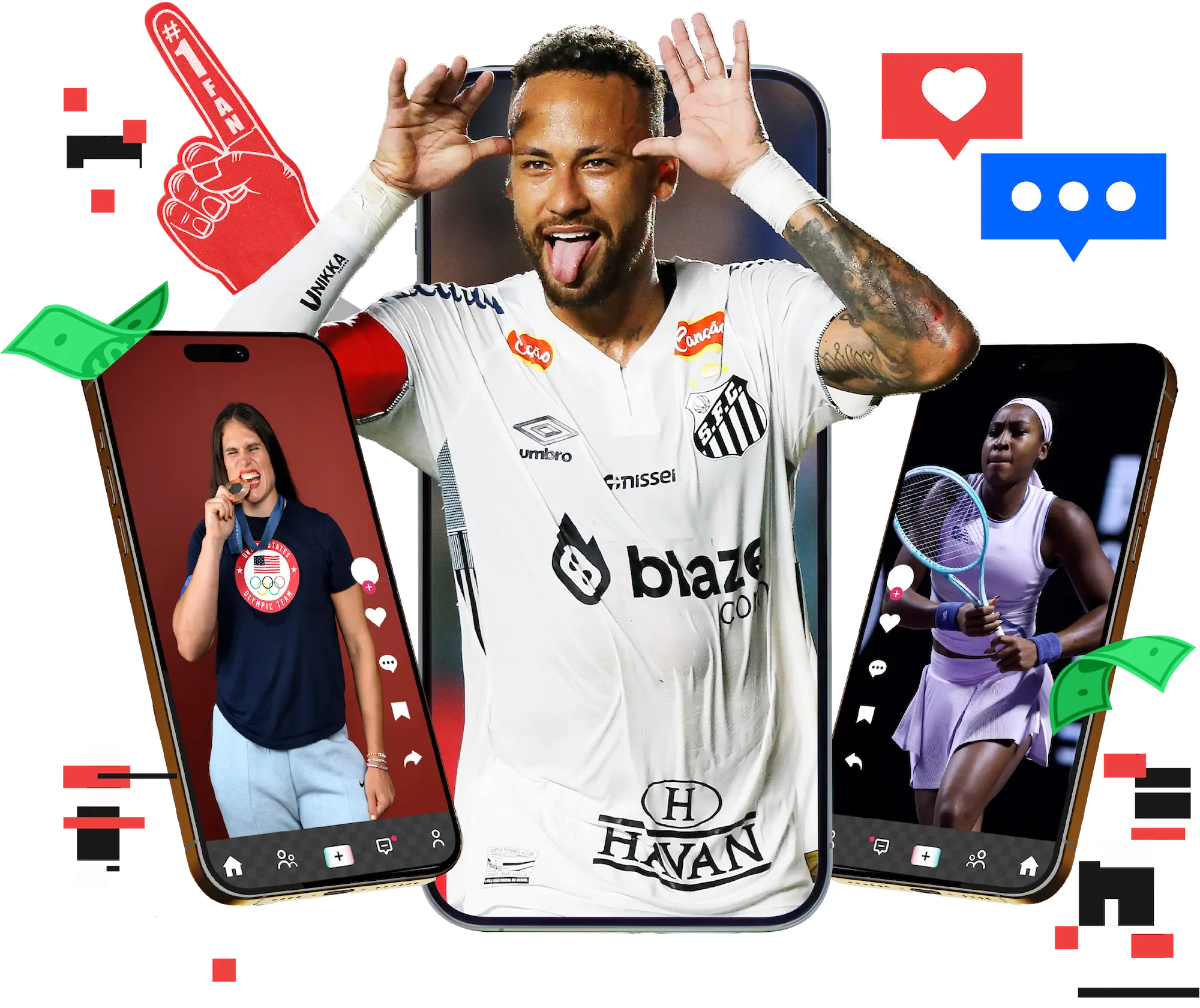
Main character energy
The more time passes, the less interest fans have in hearing from institutions.
All the major platforms prioritize Creators, fans follow people (athletes, pundits, Creators), and rightsholders can’t control the message because they don’t control the distribution. To stay relevant, sports must communicate more through individual voices than as an organization, but very few are currently resourced in the right way to do that.
Inexorably, culture is trending ever more towards the celebration of the individual over the collective.
Author: Daniel Ayers
Scroll Down
Multiple research sources describe modern fans being more drawn to a sport by an athlete than a team, particular in younger age cohorts (with some caveats and nuance, of course). There are parallels elsewhere in entertainment where solo artists now dominate in music compared to bands and in gaming where players spend more time watching streamer videos than playing games. Concurrently, news consumption is increasingly flowing through individual Creators, podcasters and newsletter writers, at the expense of traditional media publishers.
The macro technology trend here has been taking place for 25 years; the disruption of the traditional means of distribution and communication, taking control away from institutions and enabling individuals to build their own audiences.
For a long time though, sport was not negatively impacted by this. Rightsholders were still the primary gatekeepers of how their sport or tournament was distributed as media rights revenues grew through the 2000s and 2010s and if anything, the addition of digital media only helped fuel the growth. Follower numbers and engagements helped to quantify fandom and put an additional fee on what sponsors should pay to access it.
Initially, sports were courted by the key players in these new distribution methods – Meta, Twitter, Twitch and TikTok all sought to onboard leagues, teams and athletes both as publishers and (periodically) for premium rights trials, in the 2010s.
What those live rights trials typically showed though was that while audiences undoubtedly engaged and enjoyed the content, they did not do this to any greater extent than they engaged with user-generated content. If you’re Meta and your primary metric is ‘time spent on your apps’, why pay for rights when users create content that’s just as sticky, for free.
Consequently, all these platforms now prioritize individual Creators over institutions; that’s clear to any observer of feature updates. From YouTube’s automated clipping of Shorts from Live streams and editable brand inserts in videos, to TikTok’s stitch, duet and other in-app editing and collaboration tools, everything is geared towards making it easier for Creators to produce more content and make more money from it.
Further, OpenAI’s release of Sora 2 at the end of September 2025 will enable many more people to be Creators. Prompt-generated video unlocks the capability to produce content for anyone with a creative idea; the barriers to producing video are now truly gone for anyone with a phone.

As trust in institutions declines, sports need to build it in their people instead.
Prioritize the development of on-camera talent within the club/ league/ federation. Leverage all the tools that platforms give Creators, spend more time broadcasting live on YouTube, TikTok and Instagram, and get involved in the chat with your audience. Treat the roles with respect and build IP that contributes to your brand just like playing talent does.
Put author names on written content (with schema markup), not least because it’s one of the few technical steps you can take to signal to AI search engines that your content has authenticity.
All of this means being good at a different kind of business to the one most rightsholders have now, but building parasocial trust – the equity that audiences used to feel with TV presenters but now have with Creators – is essential for any sports org that wants to lead the conversation.

Outsource the solution by enabling existing Creators
If a sport already has a buoyant creator ecosystem that’s producing content around it – or even just a fledgling one – actively work with them. This means giving access to content (and whitelisting their channels so you don’t strike claims against them) and to your athletes and venues.
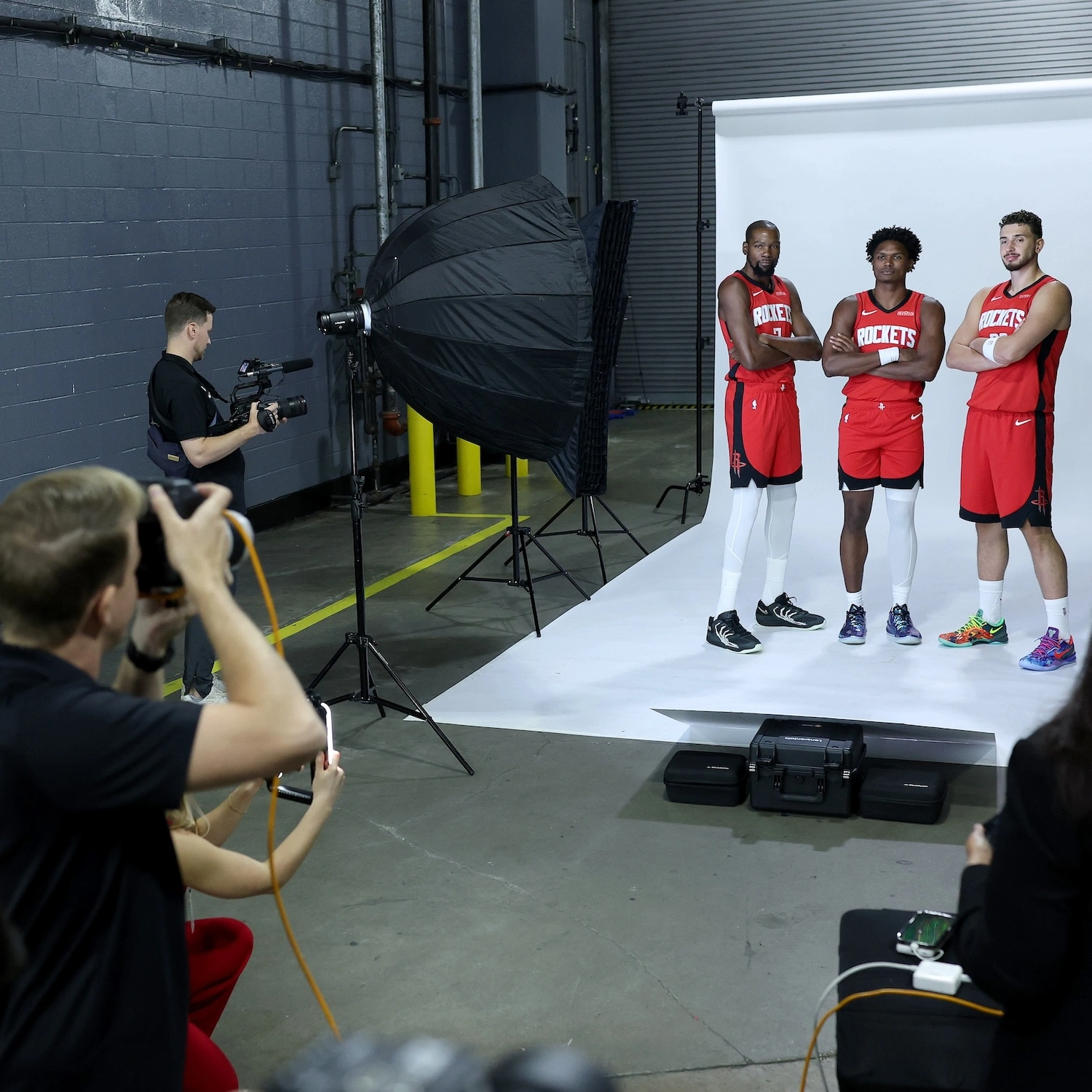
Creators, Discord admins, and the mods of your subreddits should absolutely be invited to media days and sent official comms announcements. They are as important as any of your traditional media relationships.
This requires technology investment for content distribution and to track the impact of UGC posts, and a shelving of the attitude that owned channels must be the exclusive home of your content. Yes, there’s some loss of control here, but the idea that rightsholders still have control of the message is farfetched anyway.

Pick your battles based on your scale
We’ve talked in the past about the ‘squeezed middle’ of rightsholders who are neither large enough to still command huge rights and sponsorship revenues, nor remarkable enough to attract new attention and investment.
That middle ground barely exists anymore and operators outside of the premium tier would be forgiven for thinking that outsourcing through partnerships is their only option.
Since even outsourcing requires technology investment though, there’s a good case to say that even the poorest rightsholders are more able to take the DIY route – the same cheap production, distribution and monetization tools that individual Creators access via YouTube and TikTok could just as easily be used by rightsholders if they’re prepared to do the dirty work of posting very frequently, going live regularly and talking to their audience. And the smaller the Creator ecosystem is around your sport, bigger the opportunity there is to shape and play a lead role in it.
Ideally everyone should embrace both approaches of course; it’s undoubtedly easier for premium sports to achieve, but it’s the rest who have the most to gain.