Scroll Down
The world speaks one language
Digital platforms and technology have made the world a smaller place.
Sports teams, leagues, and organizations have long been able to chase a global audience rather than be constrained by any regional barriers.
The same is true for content creators. Previously, trusted reporting relied on proximity and access. But today’s online meritocracy means anyone, anywhere can build a following on almost any subject.
Author: Iain Liddle
Scroll Down
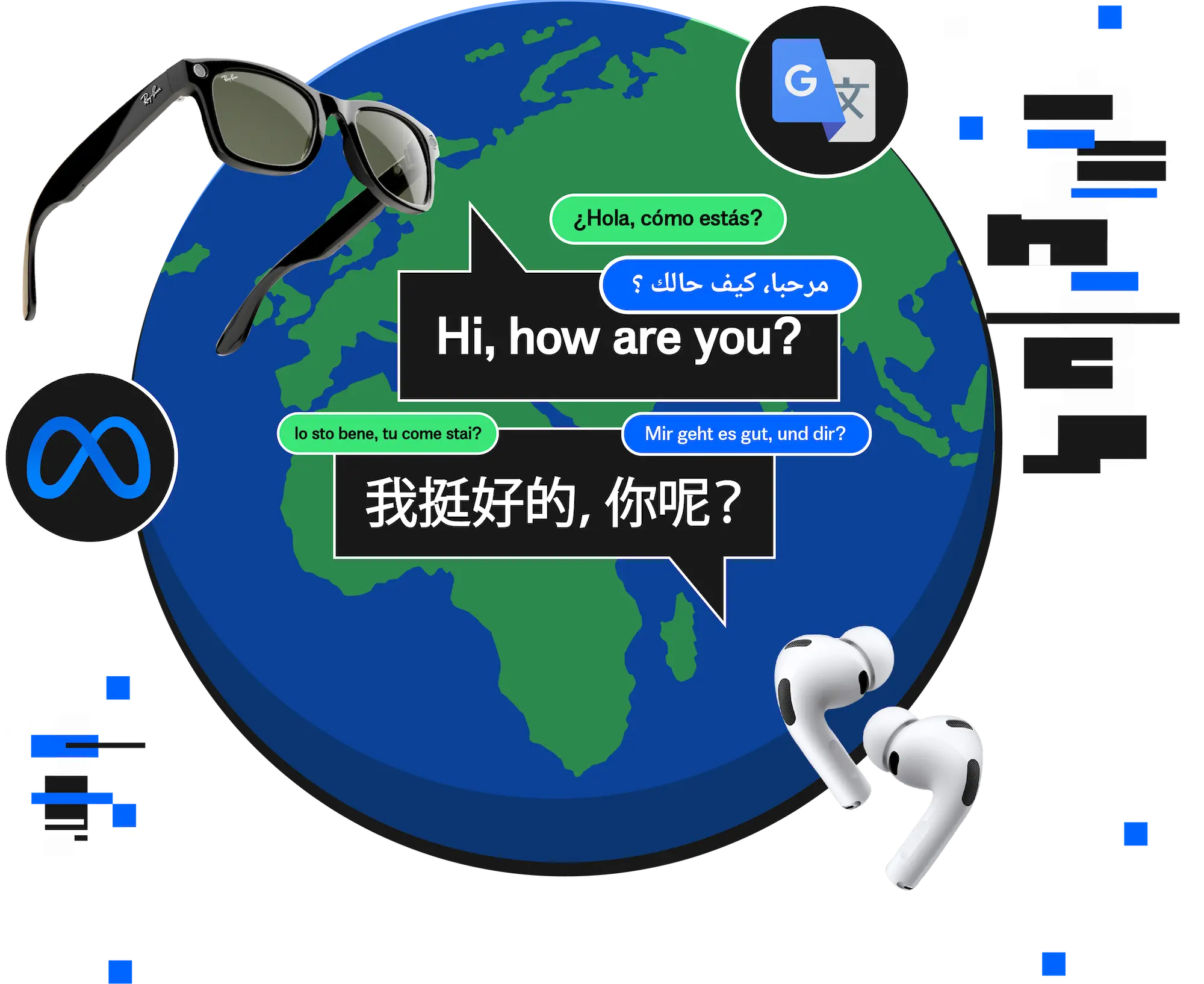
Advancements in translation technology made the world feel even flatter in 2025. The ability to switch between languages is now an expectation, rather than a pleasant surprise. Apps such as Google Translate offer live conversational modes which allow people who wouldn’t ordinarily be able to communicate to understand each other.
Advancements in Neural Machine Translation (NMT) and the development of more sophisticated large language models (LLMs) allow these tools to go beyond word-for-word translation. They claim to understand context and local expressions and to put them into terms that are relatable to speakers of other languages.
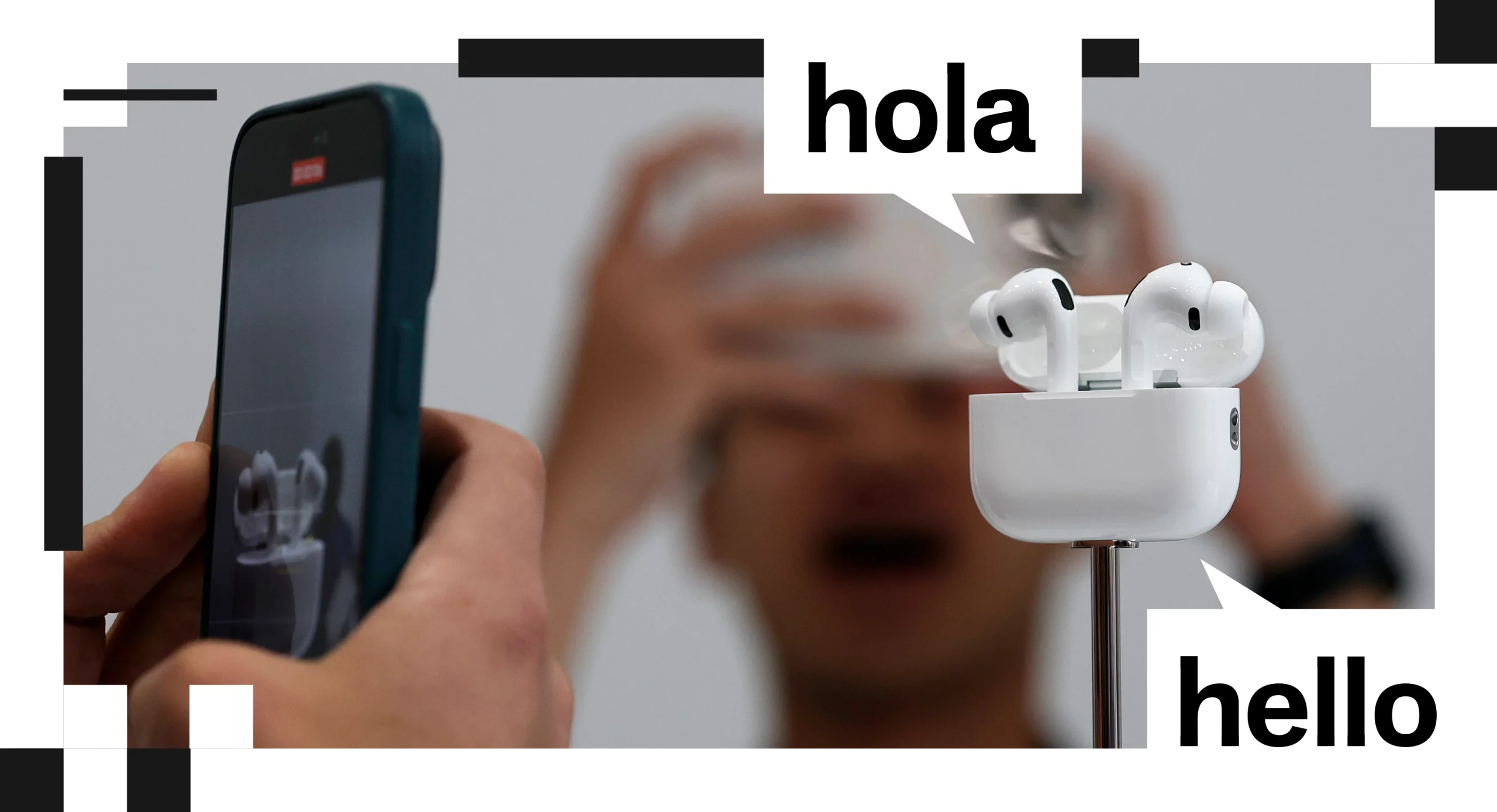
You don’t even need to take your phone out of your pocket to translate something anymore. The third generation of Apple’s AirPods is one of the models of earbud headphones which offer real-time smart translation. These relatively tiny in-ear devices manage to pack in microphones, noise cancellation, and low-latency audio processing.
A futuristic-sounding vision of people talking to each other coherently in different languages at the same time is now a reality.
Other forms of wearable technology offer similar capabilities, with the second generation of Meta’s Ray-Ban augmented reality glasses allowing wearers to translate signs and text through the lenses.
Content teams within sport may have already experimented with translation tools on key fan-facing platforms.
YouTube, which we have named number one in our platform power rankings for the second year in a row, is pulling ahead of its competitors in this regard. All channel owners can now upload multi-language audio tracks with their videos. The platform is also testing the ability to display language variant thumbnails to users depending on their location. Where a relevant multi-language audio track is not available, YouTube can replace it with automatic dubbing. This theoretically makes any video on the platform accessible to any user in the world.
Instagram is also pushing into real-time translation, with English- and Spanish-speaking users able to convert audio on Reels back and forth.
The direction of travel is clear, and it should feel like positive news for content teams within sport. “We can now be heard and understood by anyone with barely any extra work! There is no limit on the size of our potential fan base!! Let’s go!”
Not quite.
The wave of enthusiasm behind AI-powered translation technology misses one fundamental point.
Content localization has never been about translation; it is about cultural relevance. The language barrier is as much about tone as it is about the words used. There is a big difference between talking to fans on opposite sides of the world, even when no translation is required.
Marketing teams within sport wouldn’t adopt a one-size-fits-all approach to targeting fans in the United States and Australia just because they both speak English.
Advancements in real-time translation technology are hugely impressive, but they don’t change this fact.
Creating connections with new audiences, wherever they are in the world, comes down to whether you can make them care.
Arguably, this task becomes even harder with the newfound ability to understand content in any language. There is suddenly a lot more competition for the attention of any fan in any country.
You must work harder than ever to stand out in that crowd.

Maintain brand standards
It would be logical to assume that AI-powered translation would speed up workflows and reduce the need for human involvement. Yet early real-world case studies tell a different story.
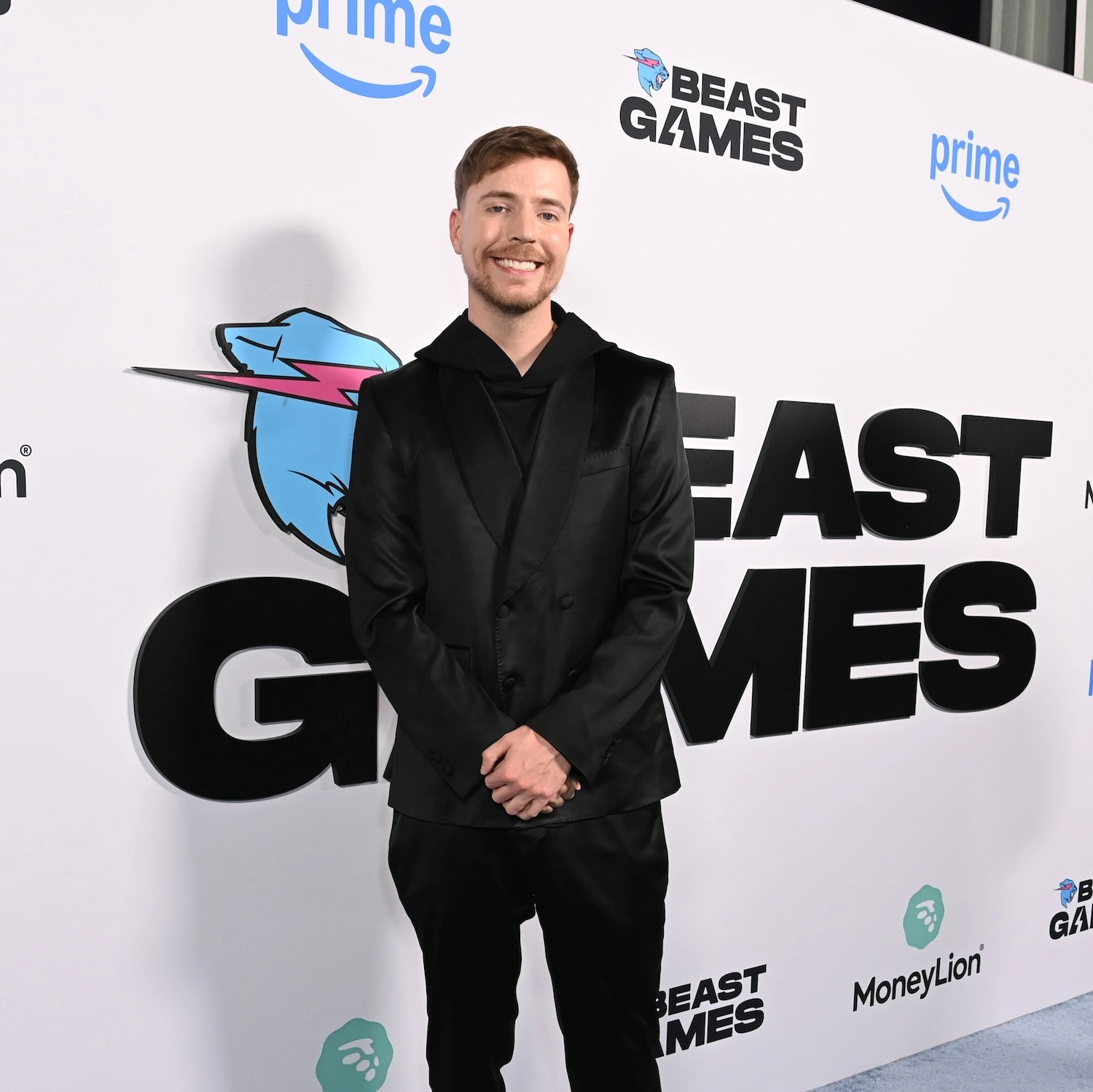
MrBeast is the most influential creator on YouTube, and he’s regularly among the first to test new platform updates. Yet he decided to turn off YouTube’s automatic translation feature this year, following a backlash from his viewers worldwide. He did so because the lack of quality control was affecting the overall perception of his channel and brand. The AI voice-over and the translation fluency were deemed incompatible with the renowned high production values of his channel, which jarred with viewers in markets where this feature had been activated.
The MrBeast channel continues to utilise multi-language audio but employs professional voice actors to record these alternate tracks in multiple languages. This is better for content localization but adds time and expense to the production process. Sports organizations that rely on unchecked AI translations will face accuracy and quality concerns. An expert human touch is still required to maintain the highest quality of output.

Greater role for regional ambassadors
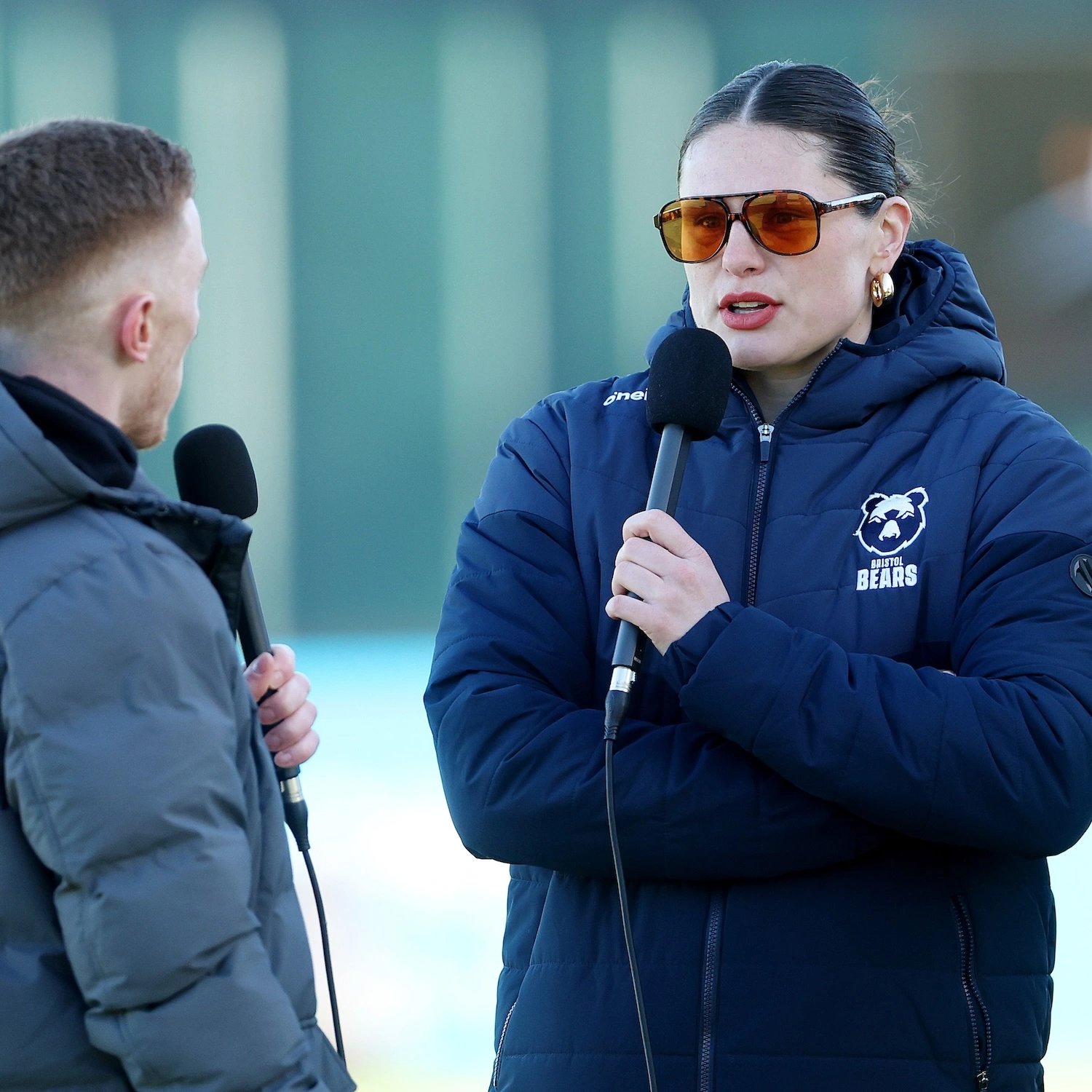
For markets of key interest, sports teams and organizations will have a greater need for trusted individual ambassadors to speak on their behalf. This will be a requirement to ensure cultural relevance and algorithmic reach.
Content teams in sport will understand that their global roster of social media channels is no longer confined to the ones they operate. Establish formal working relationships with in-market creators and playing alumni, giving them the freedom to be authentic, rather than focused on brand messaging. This will build rapport with those audiences and offset any risks associated with translation or contextual errors.
Digital content is now a volume game. Peak relevance is achieved by multiple trusted voices posting about a team or topic to their individual follower bases. It is almost impossible for a single voice to be a signal cutting through the wider noise on social media.

Be local as well as fluent
No sports league is more aggressive than the NFL when it comes to international expansion. The league has a massive reach on digital platforms and a huge television viewership in its home market, the U.S.
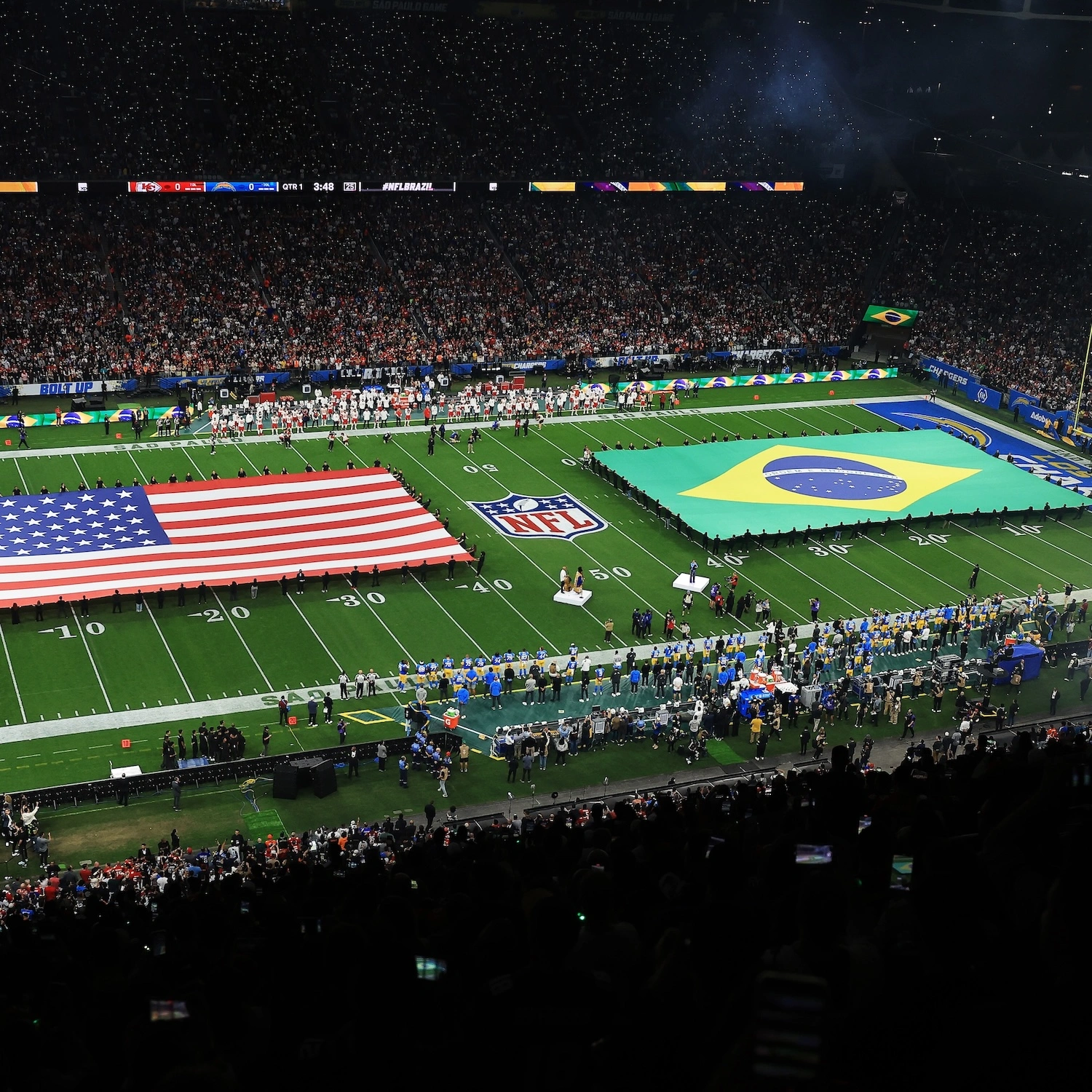
Therefore, growth will come from the rest of the world, and it has consistently expanded the number of major cities hosting the games. São Paulo in Brazil was added to this list in September 2025 for a game which was broadcast live globally for free on YouTube. Crucially, the NFL also partnered with a series of influential creators for live simulcasts of the contest, including CazéTV, one of the most popular sports channels in Brazil.
This ensured the perfect combination of locality, accessibility, and relevance. Few rightsholders can compete with the NFL on the scale of resources, but the point remains that a presence on the ground in markets of key interest is essential.