

Scroll Down
The short form fallacy
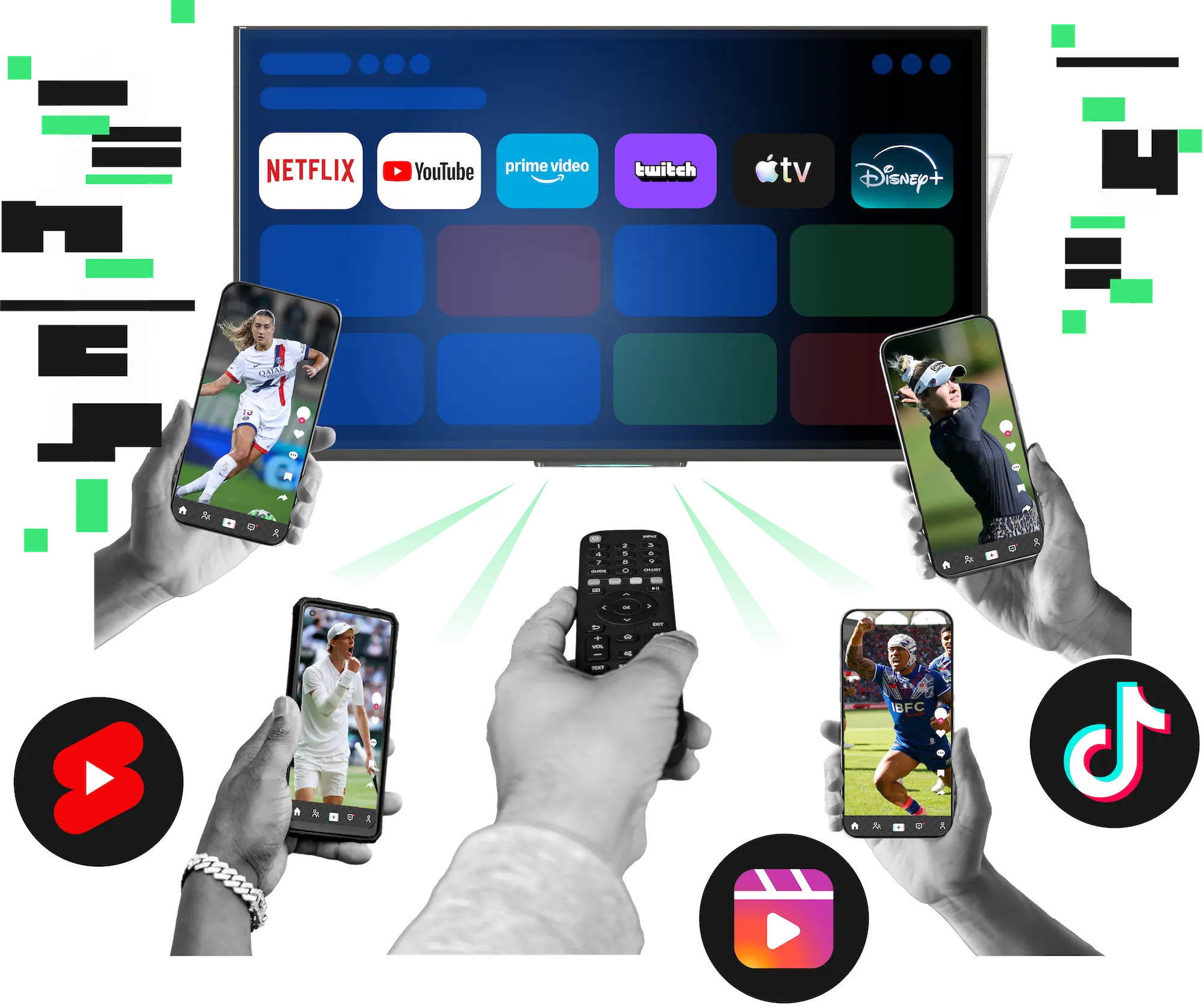
Shorts! Reels! TikToks!
These three largely similar formats have dominated content strategy discussions in sport in 2025.
Given that each of them has or is approaching two billion users globally, there’s good reason for that.
Author: Iain Liddle
Scroll Down
Mobile-first social media content is captured vertically with these platforms in mind. At the same time, more traditional videographers are often instructed to frame shots so they can be clipped and cut down to 9×16 dimensions.
This is a professional user behavior that mirrors that of fans in stadiums, holding their phones upright to record footage that can easily be posted to their own channels.
The addictive nature of the infinite-scrolling vertical video feed has even led The New York Times to incorporate it into its app to encourage longer usage sessions. Instagram recently redesigned its home screen to prioritize Reels and is testing in certain markets where that tab will be shown by default when the app opens. YouTube, too, is giving more real estate to Shorts placement on the home screen of its mobile app.
It would be easy to get swept up in the momentum behind the belief that short-form, vertical video will be the dominant media format for years to come, but some balance is required.
Podcasting has transitioned to a video-first medium, driven by high viewership of long-form episodes and series. This shift has led to YouTube becoming the world’s most popular podcast platform, ahead of Apple and Spotify, forcing the latter to prioritize its own video product to serve users who want to watch content for extended periods. According to Nielsen, YouTube has consistently achieved the largest share of television watch time among media companies in 2025.
Connected TV viewership accounts for the largest share of watch time on the platform, ahead of both mobile and web viewing, and Shorts only play a minor role in content viewed on TVs.
Instagram is reportedly developing a new connected TV app that would fundamentally change its video proposition for publishers to remain competitive.
Reports also suggest that TikTok is considering a similar move. Despite being a cultural behemoth, its reliance on short-form scrolling means it has yet to find a way to consistently and sustainably reward its top creators with direct revenues in exchange for the views, likes, and comments they generate.
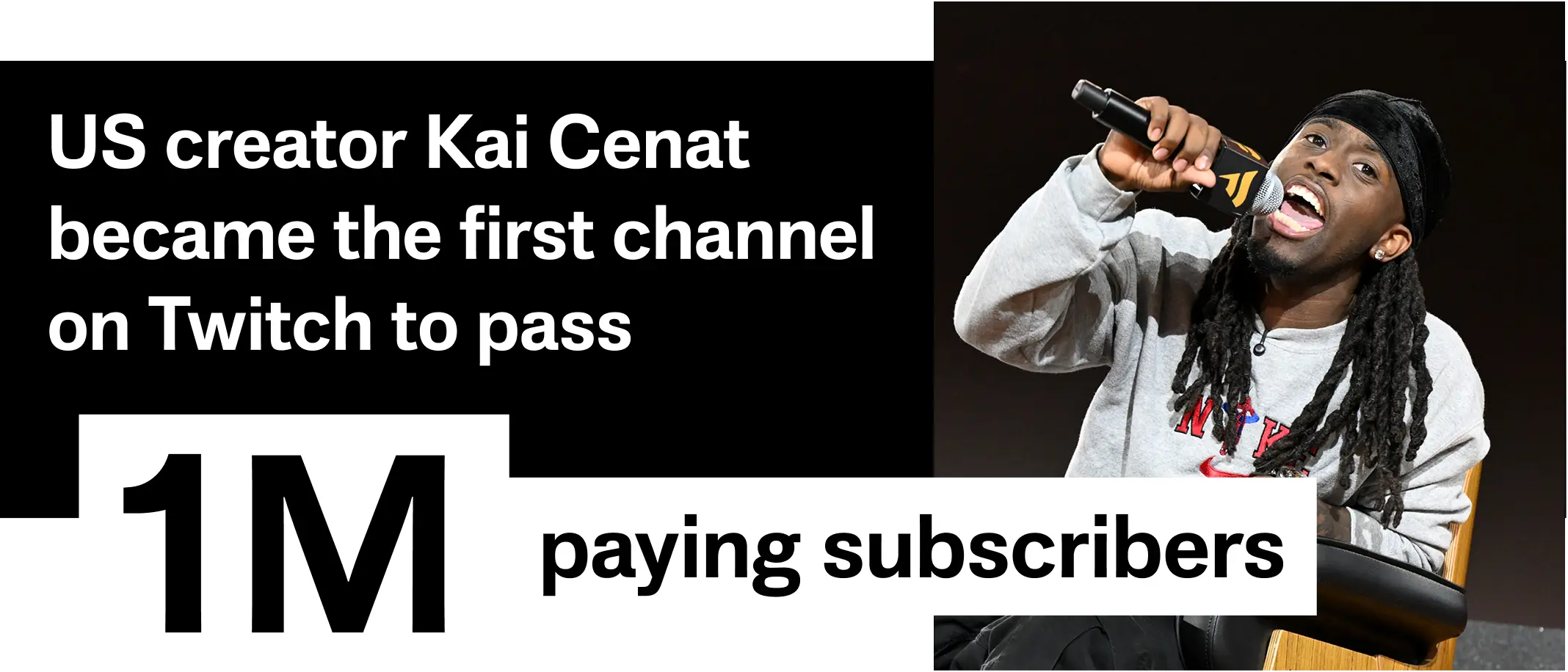
Creators on Twitch have also achieved record-breaking results thanks to marathon streaming efforts this year. US creator Kai Cenat became the first channel on the platform to pass one million active paid subscribers, while Spain’s Ibai Llanos broke his own record with a peak concurrent viewership of 9.3 million on a stream in June.
It has become accepted wisdom in some circles that young audiences can only be engaged via short-form content. They simply do not have the attention span to sustain anything longer, you see. As for expecting them to watch a full game, well, good luck!
However, there is mounting evidence to suggest this dismissal is wide of the mark. These same demographics are watching services such as YouTube and Netflix on big screens for extended periods, consuming lengthy podcasts in greater volume, and gaming for hours at a time.
Modern audiences are not inherently anti-long-form; they are anti-being bored.
If sport over-prioritizes short-form platforms and content initiatives, it risks sacrificing engaged relationships with the next generation of fans and becoming just another content format to scroll past.

Be aware of your place in the funnel
Short-form vertical video serves a clear purpose. It is designed to grab attention and, at its best, creates further interest in the creator or publisher behind it. It is essential to have a regular conveyor belt of this media format across multiple platforms to engage and re-engage audiences.
This is a critical top-of-the-funnel content marketing activity and while it has been embraced by many publishers within the sports industry, we have seen an over-correction. Many now prioritize this format at the expense of potentially more meaningful ones – you are constantly offering your audience entrees when some are looking for a main course.
Sports publishers must remain cognizant of the need to use vertical video content to point audiences towards what else they should see or know. This often means longer formats or franchises that offer deeper storytelling and convert viewers from simply curious to those who care. Take advantage of your appearance in someone’s scrolling session but ultimately try to extract your community from it.


Podcasts are the new television
In October 2025, Netflix signed an agreement with the podcast company The Ringer to broadcast its shows on the streaming service. This was a significant agreement and reflects a broader shift in consumption. As demand for streaming overtakes that for linear television, we are seeing a shift towards intentional viewership.
The volume and variety of services showing live sports means that viewers must be made aware of where their favourite teams are playing and then make the effort to tune in. Fans can no longer turn on their television and channel-surf to find all the content they want to watch. Streaming services have not yet invested in preview and shoulder programming around live sports in the way TV networks did, because it is not the type of content which large numbers of fans deliberately set out to watch.
At the same time, demand for video-first podcasts is increasing because they fit into any viewer’s schedule. Watch or listen to them wherever you want and on whichever device you choose. Content teams within sports should be aware of this shift and have an updated plan for podcasting.


Everyone is a streamer now
The leading streamers on Twitch reached new heights in 2025, while the YouTube CEO has listed ‘Live’ as one of the company’s four main priorities for the year ahead. Creators across all platforms are encouraged to go live to capture viewers’ attention during peak interest in the subject matter. These broadcasts are then archived for on-demand viewing by non-live audiences.
Most sports teams, leagues, and organizations will have experimented with live streaming in some capacity. However, many also lack an obvious or trusted host for live streaming sessions featuring the type of real-time, informal back-and-forth conversations that are a non-negotiable for top streaming creators.
Content teams within sport have loosened their collar and adopted a more informal tone on platforms such as TikTok in recent years. The next step is to become more comfortable talking to fans directly on video, in a tone like that used in text captions.
